
Gov’t Launches Mandatory B50 Biodiesel, Affirms National Preparedness to Strengthen Energy Sovereignty


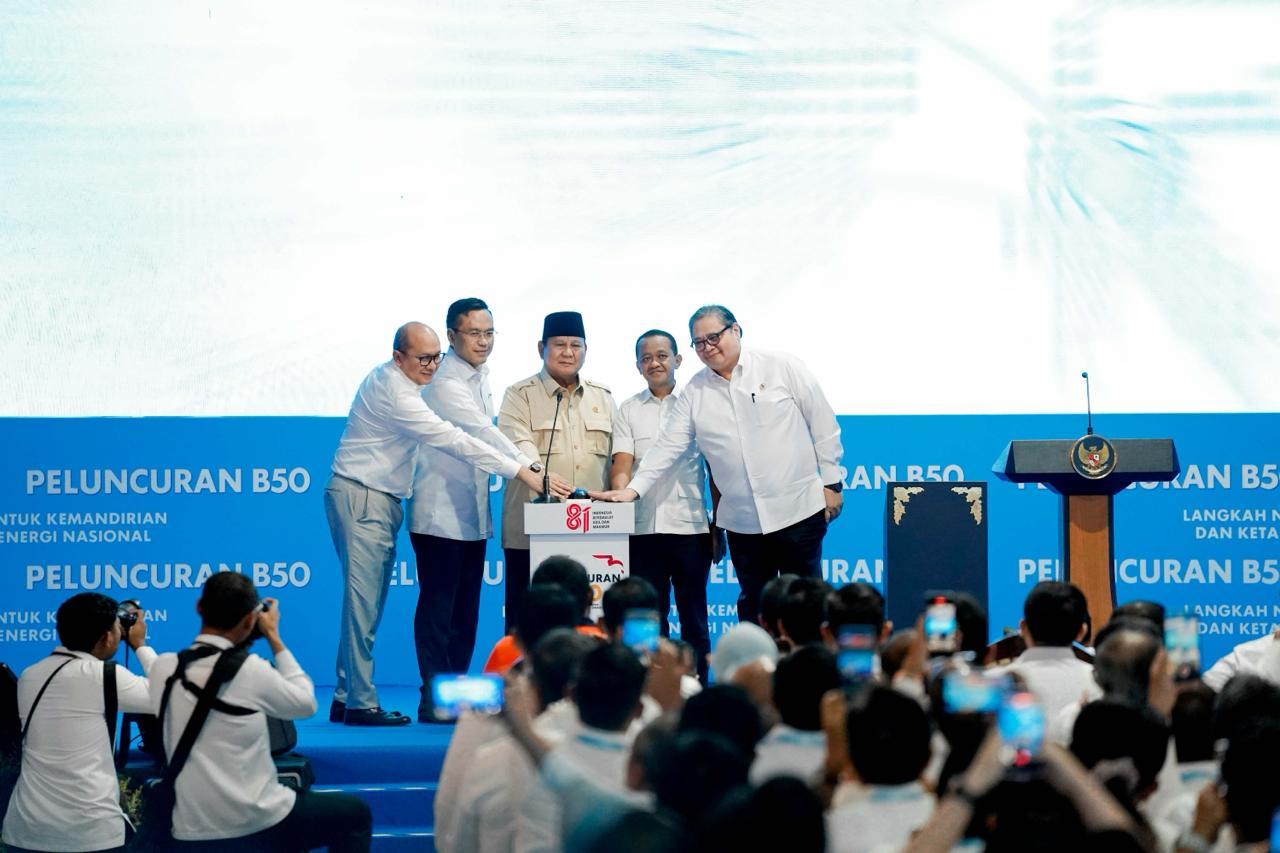
The Government continues to strengthen national energy sovereignty through the implementation of the B50 Biodiesel Mandatory Program. This policy serves as a strategic step to promote the use of new and renewable energy, optimize domestic resources, and simultaneously reduce reliance on energy imports.
Minister of Energy and Mineral Resources (ESDM) Bahlil Lahadalia emphasized that the implementation of B50 is not merely about increasing the biodiesel blend ratio in diesel fuel, but also represents the Government’s commitment to strengthening national energy independence and security.
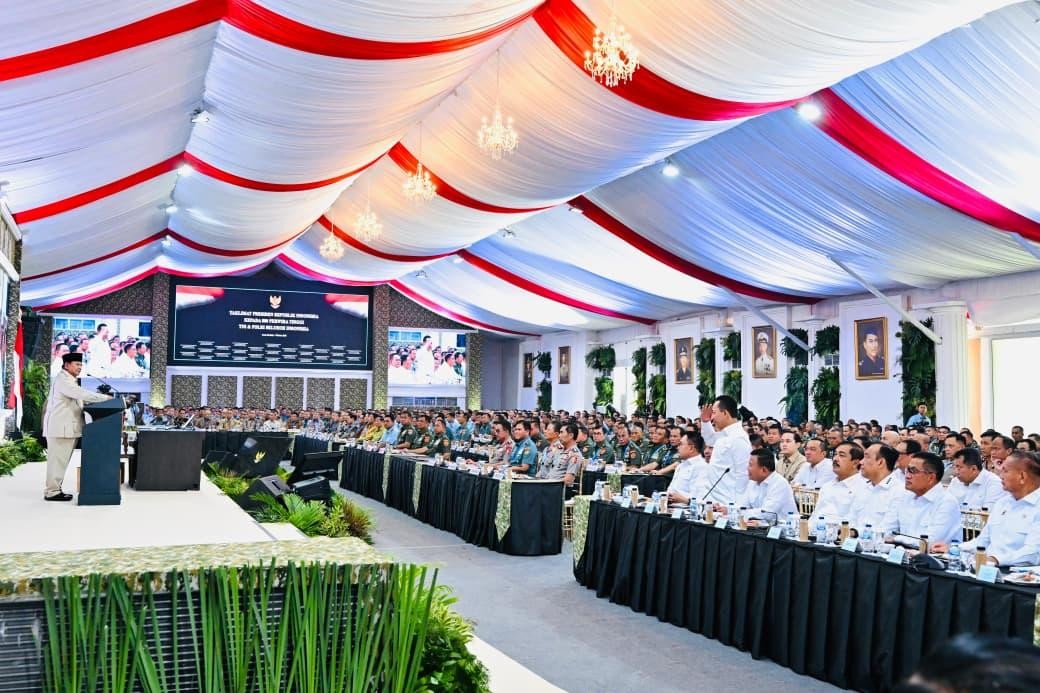
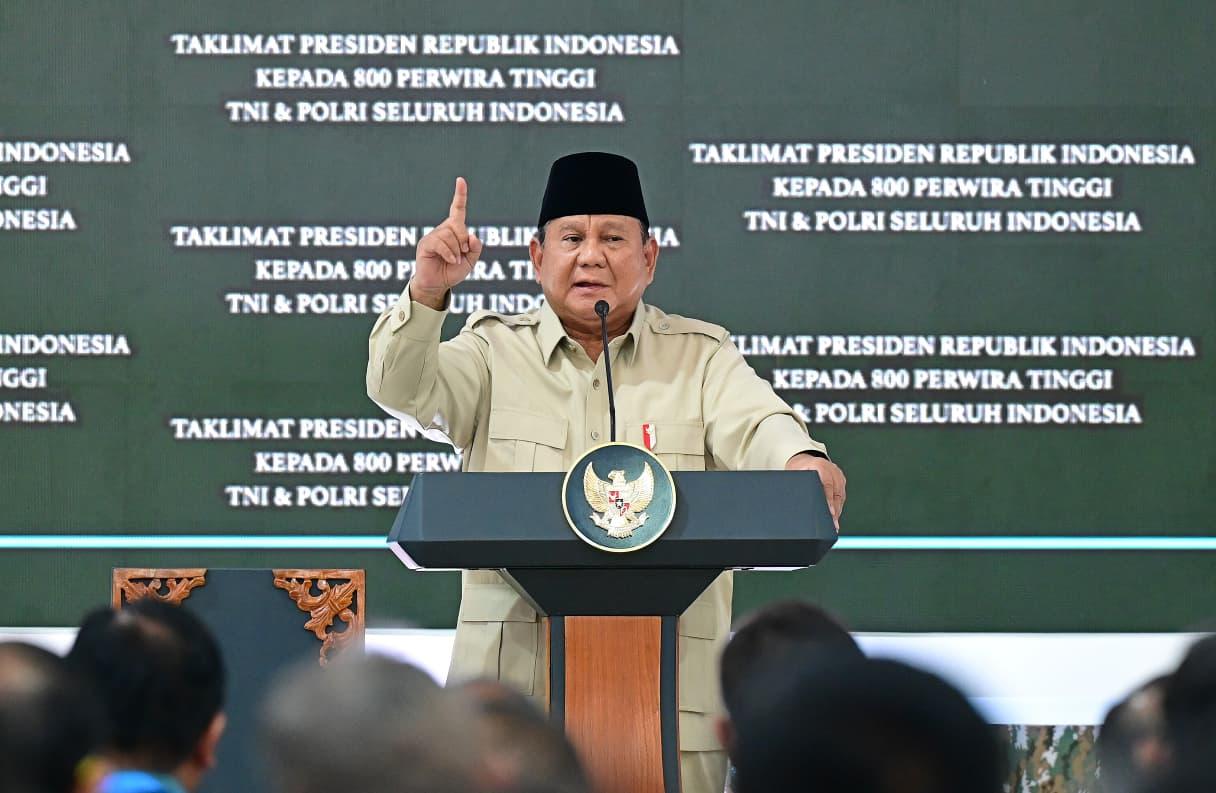
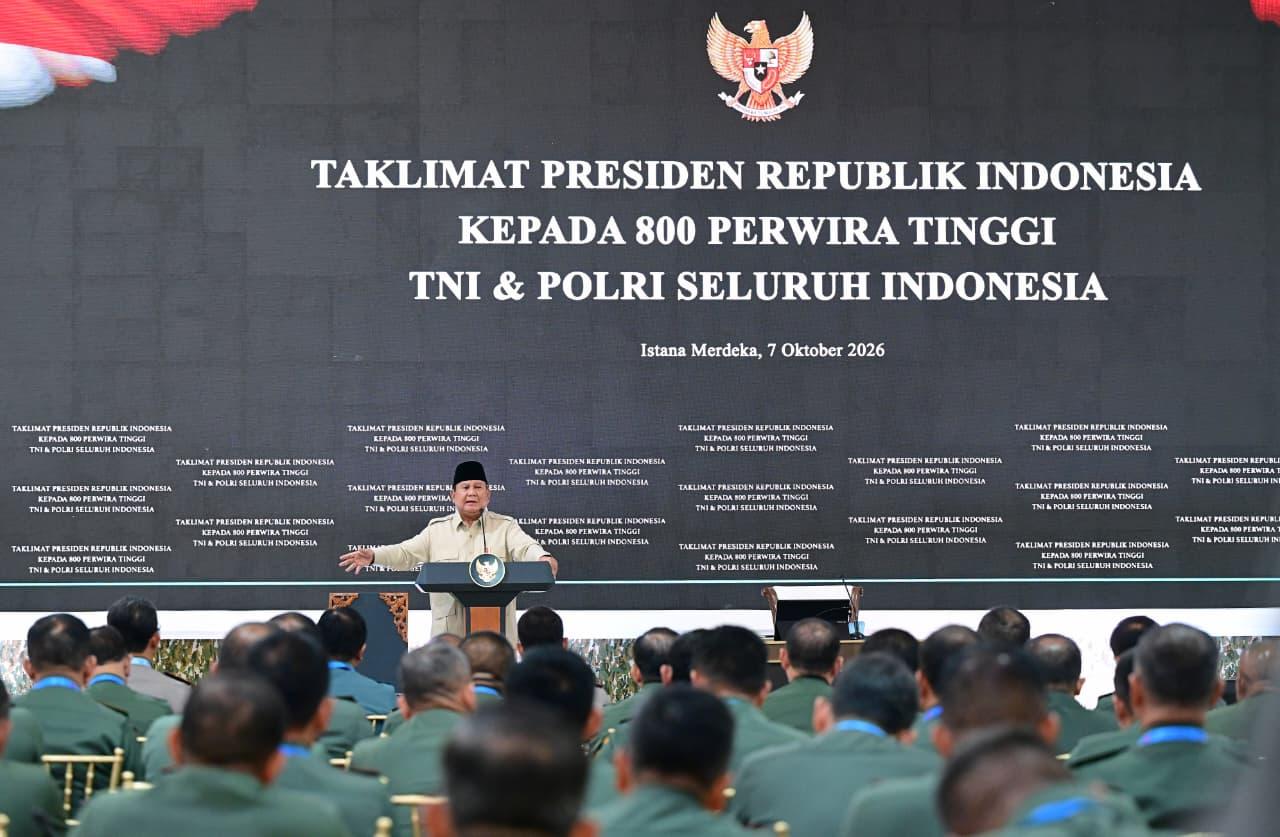
“The launch of the B50 mandatory program is not merely the introduction of a policy, but a historic milestone marking a tangible step by Indonesia toward strengthening national energy independence, resilience, and sovereignty,” said Bahlil at the B50 launch event officiated by President Prabowo Subianto at the KM 57 Rest Area in Karawang regency, West Java province, on Thursday (07/09).
As the world’s largest producer of crude palm oil (CPO), said Bahlil, Indonesia needs to continue optimizing this resource to generate increasingly greater added value for the national economy and the welfare of the people.
“B50 is not merely a new source of energy, but part of an energy transformation that optimizes Indonesia’s potential to strengthen national energy security as the foundation for the nation’s economic development,” he added.
Through the implementation of B50, the Government aims to reduce diesel imports by up to 18 million kiloliters by 2026, or equivalent to approximately 310,000 barrels per day. In addition to strengthening energy security, this policy is projected to increase foreign exchange savings from IDR 133.3 trillion gained from B40 to IDR 170 trillion gained from B50, while simultaneously boosting the value-added of the crude palm oil (CPO) industry.
In addition, the B50 program is estimated to absorb around 2.1 million workers and reduce carbon dioxide emissions by up to 44.46 million tons.
The Government, through the Ministry of Energy and Mineral Resources, has also ensured readiness for the implementation of B50 by conducting tests on motor vehicles, heavy mining equipment, agricultural machinery, trains, marine vessels, and power plants. The results demonstrate that B50 not only meets the technical specifications established by the Government but also complies with the standards required by vehicle manufacturers.
The implementation of B50 represents the continued development of the national biodiesel program, which has been rolled out in stages since 2008 as part of the Government’s efforts to strengthen national energy security and sovereignty. (Public Relations of the Ministry of Energy and Mineral Resources/DND – Public Relations of the Ministry of State Secretariat) (AW/TM)