
President Prabowo Pushes Measures to Strengthen Textile Industry


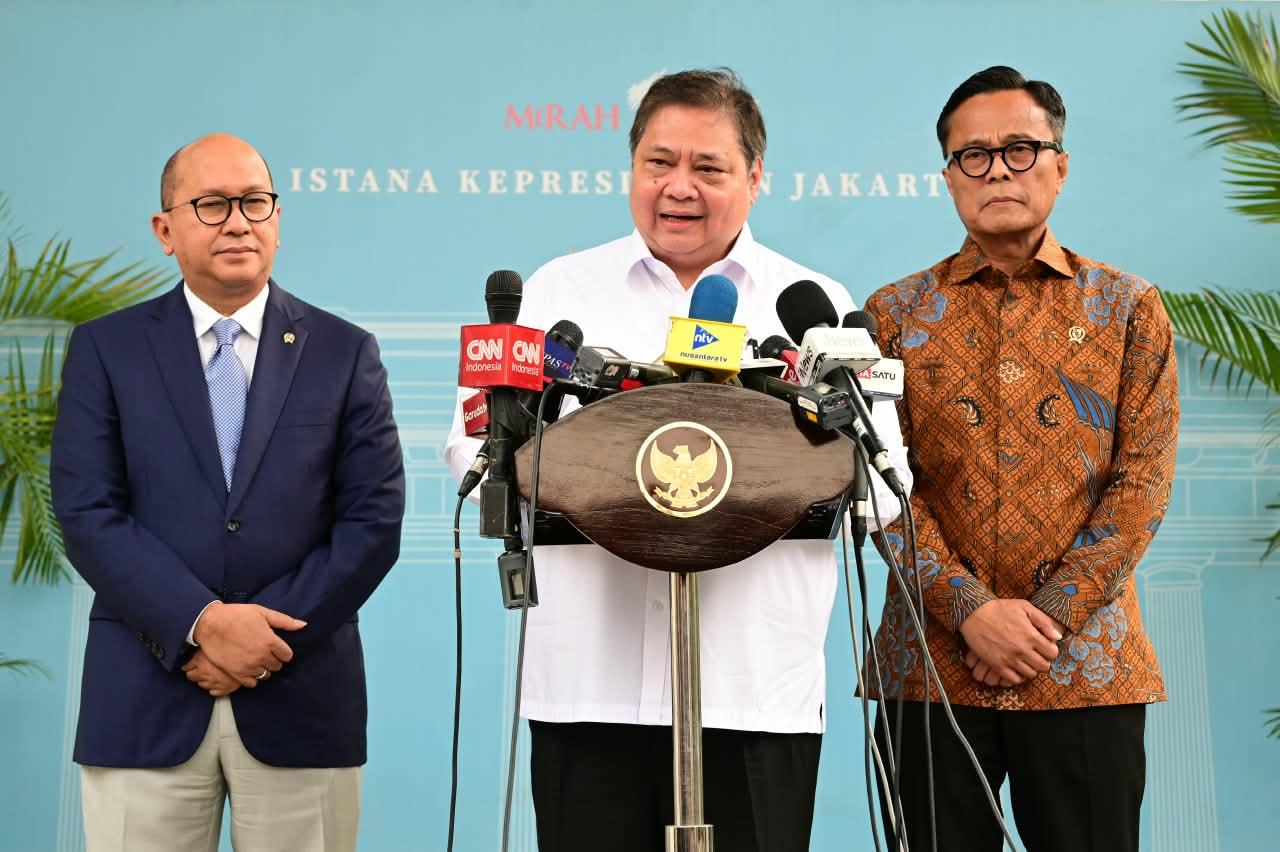
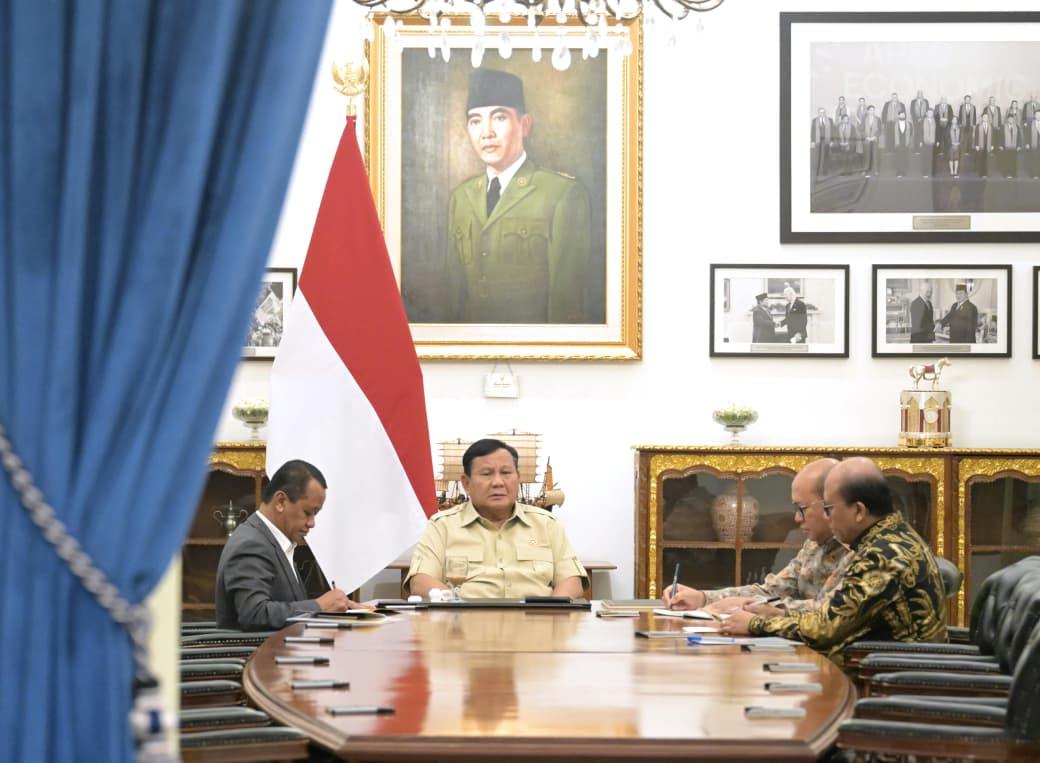
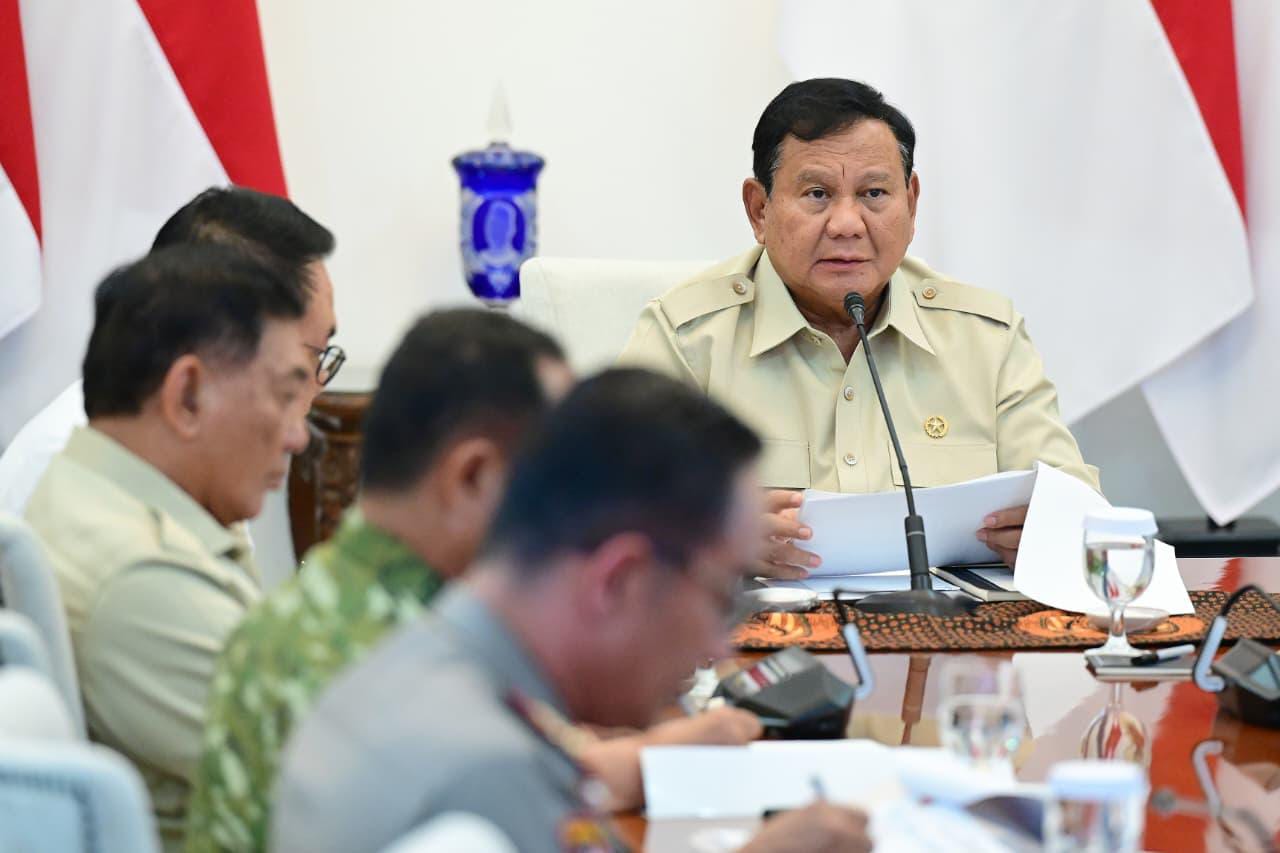
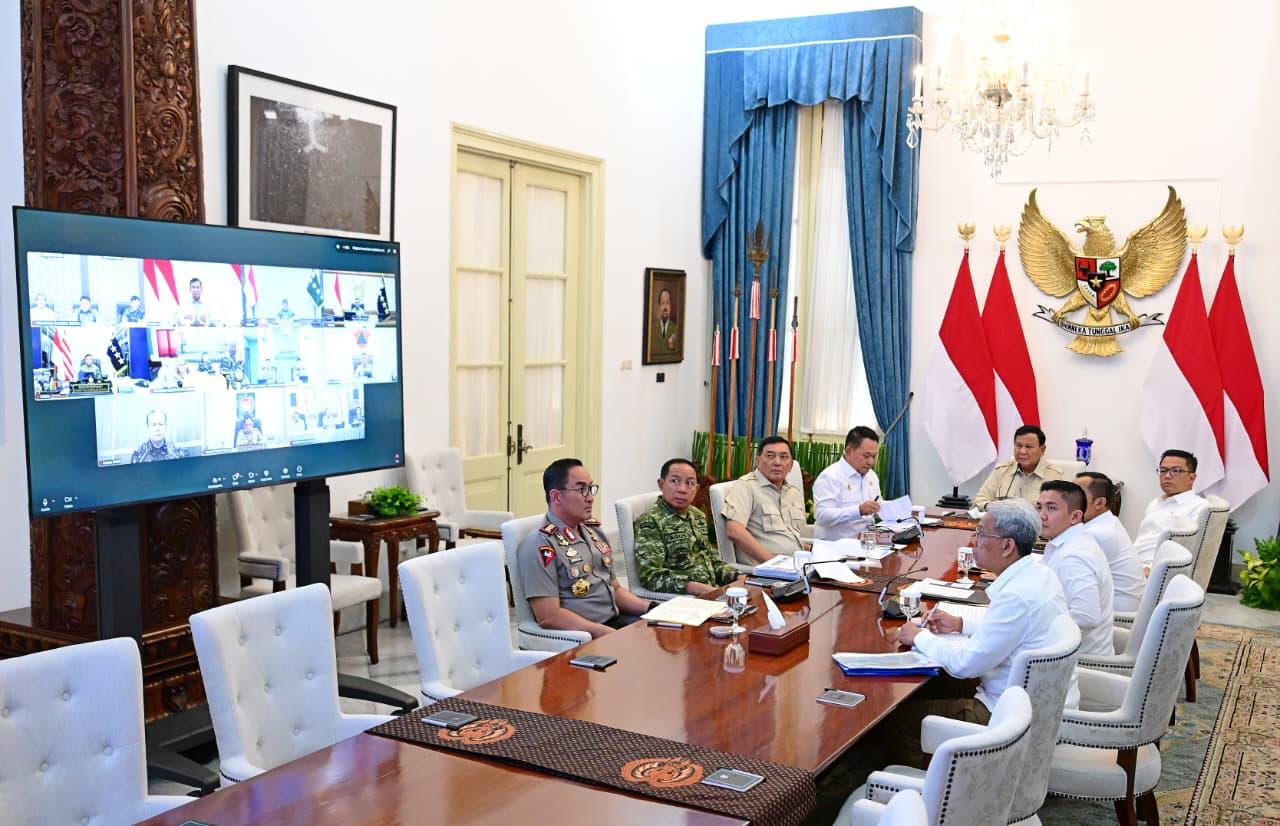
President Prabowo Subianto is committed to bolstering Indonesia’s textile and textile products (TPT) industry, a strategic sector that plays an important role in economic growth, employment, and export growth. The issue was discussed at a limited meeting chaired by the President with several ministers of the Red and White Cabinet at the Presidential Palace, Jakarta on Tuesday (09/22).
Coordinating Minister for Economic Affairs Airlangga Hartarto said the TPT industry, which covers upstream, midstream, and downstream sectors, makes a significant contribution to the national economy. According to him, the sector contributes around 0.97 percent to gross domestic product (GDP), employs approximately 4 million workers, and records around US$12 billion in exports.
“This is one of the strategic and labor-intensive sectors. Based on the President’s directives earlier, we conveyed that the TPT industry is growing above overall economic growth, at 5.6 percent, while the leather, leather goods, and footwear industry grew by 8.25 percent,” Airlangga told the press.
The meeting also discussed several measures to strengthen the competitiveness of the TPT industry, including tariff harmonization from the upstream to downstream sectors, easier access to imported raw materials, and tighter regulation of imports considered disruptive to the sustainability of domestic industries.
Airlangga said the President had also ordered a review of technical considerations and other regulations related to the textile industry to ensure a smooth supply of raw materials for domestic producers.
“First, there is the issue of facilitating the entry of raw materials. The President asked us to review the technical considerations and other regulations. Second, particularly in the downstream sector, there are issues concerning garments, including bulk imports by weight and bulk rest imports. The President also instructed the Director General of Customs and Excise to immediately regulate these imports because they are significantly disrupting domestic garment producers,” Airlangga said.
The meeting also addressed more flexibility in the use of fixed-term employment contracts (PKWT), particularly to accommodate production needs that fluctuate with seasonal demand. He said President Prabowo had asked the Ministry of Finance to formulate appropriate regulations concerning value-added tax (VAT) related to PKWT arrangements. The Government would also evaluate the application of VAT to export-oriented textile and garment industries.
“Regarding companies currently undergoing restructuring, the President asked Danantara to immediately become actively involved in resolving the issues. On banking, the President also said that the textile industry is not an industry categorized as ‘sunset.’ Therefore, this could encourage reinvestment and additional working capital,” he concluded. (BPMI of Presidential Secretariat) (FI/MMB)