
Rice Stocks Hit Record High in First Two Years of President Prabowo’s Administration


The Government continues to strengthen national food security and self-sufficiency by increasing production, bolstering rice reserves, and implementing policies that support farmers. These strategic measures have yielded positive results, with national rice stocks reaching 4.56 million tons in October 2026, reportedly the highest level in history.
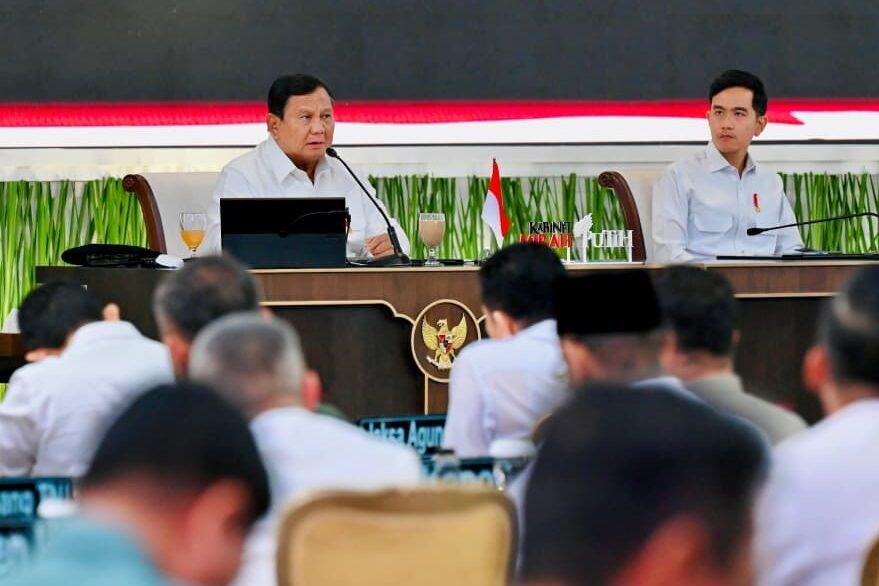
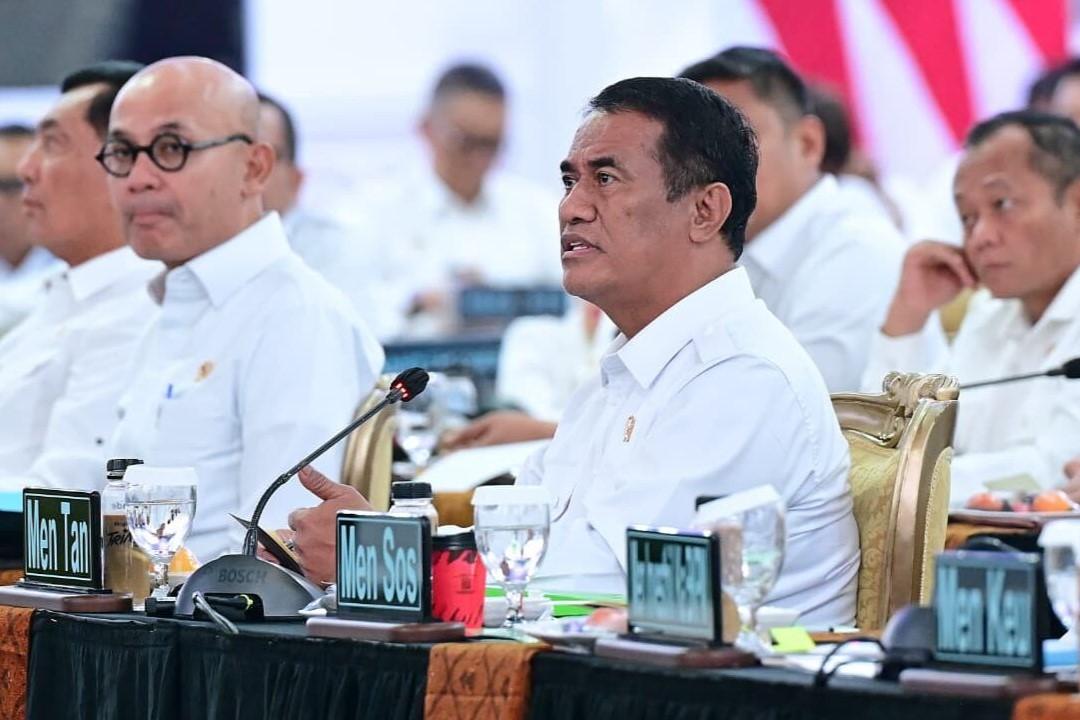
“Now, in October 2026, our rice stocks stand at 4.56 million tons, the highest level in history. They have even reached 5.7 million tons at one point,” Minister of Agriculture Andi Amran Sulaiman said in his report to President Prabowo Subianto during the Plenary Cabinet Session on the First Two Years of the Administration’s Commitment to Delivering Tangible Results for the Nation, held at the Presidential Palace Complex in Jakarta on Wednesday (10/21).
The Minister affirmed that food security was further bolstered by the potential rice production still standing in the fields, estimated at 10 million tons, stocks held by hotels, households, and other sectors, totaling approximately 10 million tons, and warehouse stocks of around 4.5 million tons.
“Our monthly requirement is 2.5 million tons. What does that mean? If we divide 25 million tons by 2.5 million tons, we get 10 months. Our stocks will remain sufficient through July next year,” he explained.
In addition to maintaining food availability, the Government continues to improve farmers’ welfare by reducing fertilizer prices by 20 percent and raising the Government Purchase Price for unhusked rice. These policies have also helped push the Farmers’ Terms of Trade to 131, which the Minister said was the highest level since independence.
“The Government Purchase Price for unhusked rice has also increased, bringing the Farmers’ Terms of Trade to 131. This is the highest level since 1992, and even since the independence,” he said.
The strengthening of the agricultural sector is also reflected in agricultural gross domestic product (GDP) growth of 5.74 percent. In terms of trade, the Government recorded a Rp166 trillion increase in agricultural export value and a Rp41 trillion decline in imports.
To ensure the sustainability of food self-sufficiency, the Government is preparing to develop two million hectares of mineral soil land, with an initial phase covering 500,000 hectares through collaboration among the Ministry of Agriculture, the Ministry of Defense, and the Indonesian National Defense Forces (TNI). This initiative forms part of a long-term strategy to expand national food production capacity in line with population growth.
“We have mapped out these two million hectares of land to ensure sufficient food supplies for a future population of 500 million,” he said.
Despite these achievements, the Minister noted that the Government continues to strengthen measures to anticipate climate change, including the effects of El Niño and La Niña, while maintaining food price stability. Oversight of commodity distribution is also being stepped up following anomalies in chicken and egg prices, with prices at the farm level declining while consumer prices have exceeded the highest retail prices set by the Government.
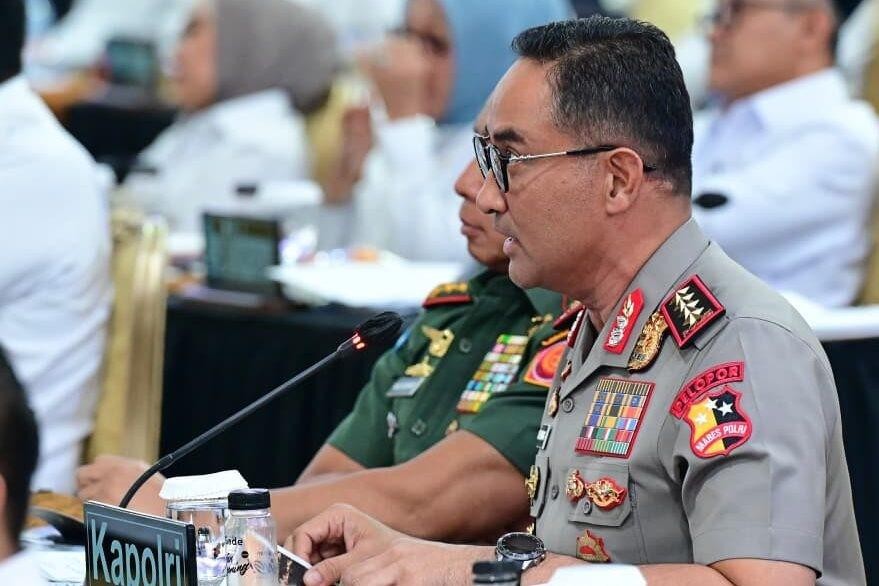
As a follow-up measure, the Ministry of Agriculture has coordinated with the Indonesian National Police to address suspected practices that harm the public. The Government is also encouraging greater egg procurement through national food programs to help maintain a balance between supply and prices for both farmers and consumers.
“However, consumer prices have risen above the highest retail price. There is an anomaly, Mr. President. We have sent a letter to the National Police Chief requesting action against anyone engaging in these practices,” Amran stressed.
The Government is also addressing suspected irregularities involving fortified premium rice, which was reportedly found selling for as much as Rp56,000 per kilogram, far above the price of Rp13,000 per kilogram. The Government is committed to following up on these findings to protect consumers and ensure a healthy food trading system.
“This is unacceptable, Mr. President. Insha Allah, we will resolve this issue soon,” he concluded. (BPMI of the Presidential Secretariat) (AY/AW)