
President Prabowo Emphasizes State Asset Protection in Improving Corruption Regulations


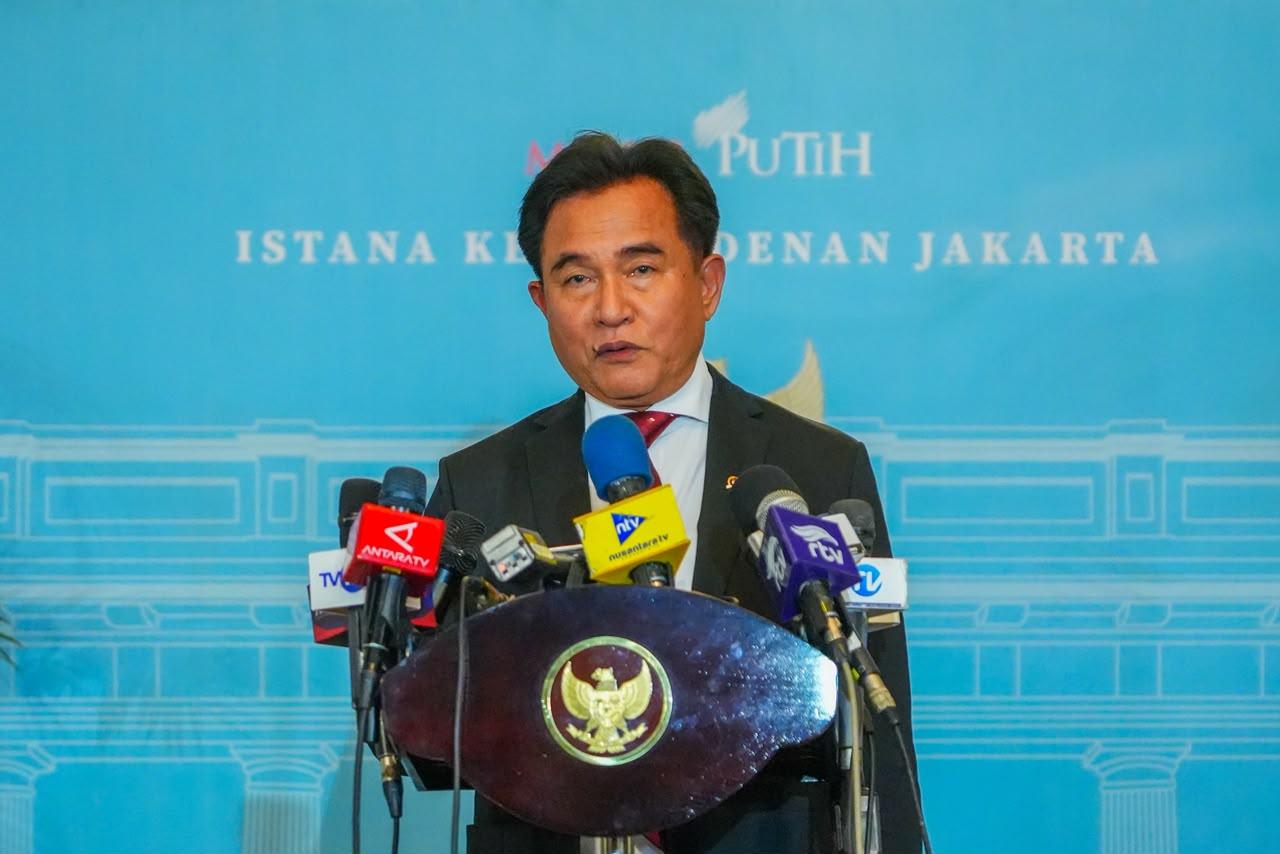
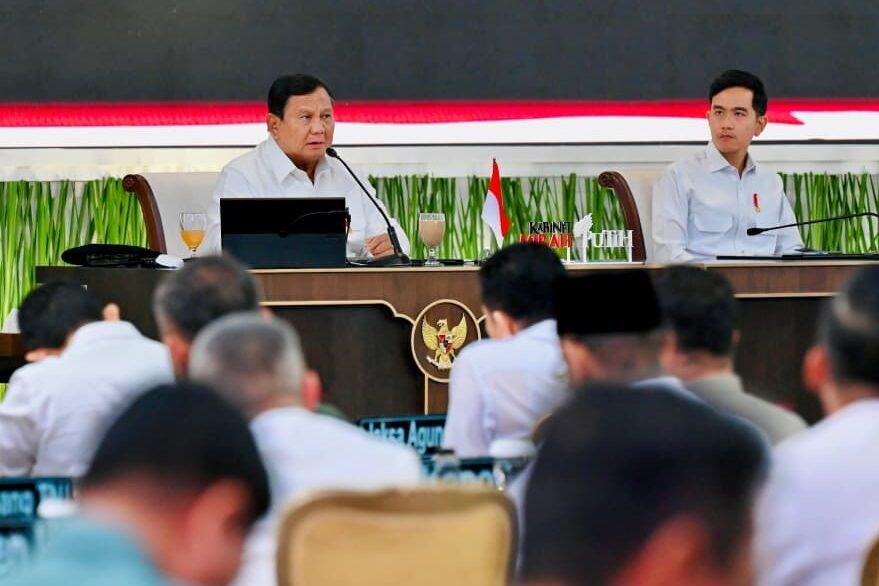
President Prabowo Subianto has instructed an in-depth study to refine the definition of corruption in national legislation. The study is required to ensure that the regulation of criminal acts of corruption aligns with Indonesia’s conditions and needs, while strengthening efforts to eradicate corruption and protect state assets. Coordinating Minister for Law, Human Rights, Immigration, and Correction Yusril Ihza Mahendra made this statement after meeting with President Prabowo at the Presidential Office in Jakarta on Monday (10/26).
Yusril said that during the meeting, the President discussed proposed changes to the definition of corruption in Law Number 31 of 1999 and Law Number 20 of 2001 on Eradication of Criminal Acts of Corruption, including its compliance with the United Nations Convention Against Corruption (UNCAC).
“I talked and discussed with the President. He also gave his directives regarding the DEN (National Economic Council) aim to amend the definition of corruption contained in Law Number 31 of 1999 and Law Number 20 of 2001 on criminal acts of corruption,” said Yusril.
He added that UNCAC defines criminal acts of corruption not only as bribery, but also covers other aspects that serve as guidelines for participating countries in formulating anti-corruption provisions in their respective national laws.
“Mr. President emphasized that he did not necessarily agree with what the DEN proposed, but he requested that a more in-depth study be carried out in formulating the definition of corruption that is more appropriate to the current situation of our country,” Yusril said.
He added that the discussion also highlighted the importance of being more concerned about practices that could drain the nation’s wealth and harm the national economy. In addition to bribery, gratuities, extortion, and abuse of authority that harm the country, other practices also require serious attention, such as under-invoicing in the mining sector and illegal fishing at sea.
“We also talked about under-invoicing issues by mining entrepreneurs or illegal fishing with a large number of fish at sea, amounting to hundreds of trillions of rupiah every year. They mine, like 20,000 tons, but they only report 10,000 or 15,000, and the money has gone abroad,” Yusril said.
He said these practices could cause significant economic losses for Indonesia. Therefore, efforts to eradicate corruption must also consider the country’s economic aspects and the protection of national resources.
“Our people have never realized how serious this problem is, and we need to address this issue. All this time, we have focused only on officials who mark up prices and accept bribes. These acts must indeed be eradicated, but we must also not forget criminal acts like under-invoicing and illegal fishing, which are actually draining our nation’s wealth,” Yusril added.
He further said that clarifying the definition of state finances is important to improve corruption regulations, adding that this clarity is key to ensuring proper law enforcement and preventing misinterpretation of actions related to financial management and business activities.
“So, I think in our current Corruption Law, the first element is state loss, and the second is the state economy. I think the state economy is still underdeveloped. So, if someone commits illegal fishing or under-invoicing in the mining sector, he is clearly harming the state economy, and that should also be considered corruption,” Yusril stated.
He added that the Government will continue to review how corruption provisions align with UNCAC principles, while still considering Indonesia’s characteristics, needs, and national interests to avoid state losses and preserve Indonesia’s natural resources. (BPMI of Presidential Secretariat) (JAS/MMB)