
Cost Efficiency to Eco-Friendliness: Users Support National Electric Motorcycle Rollout


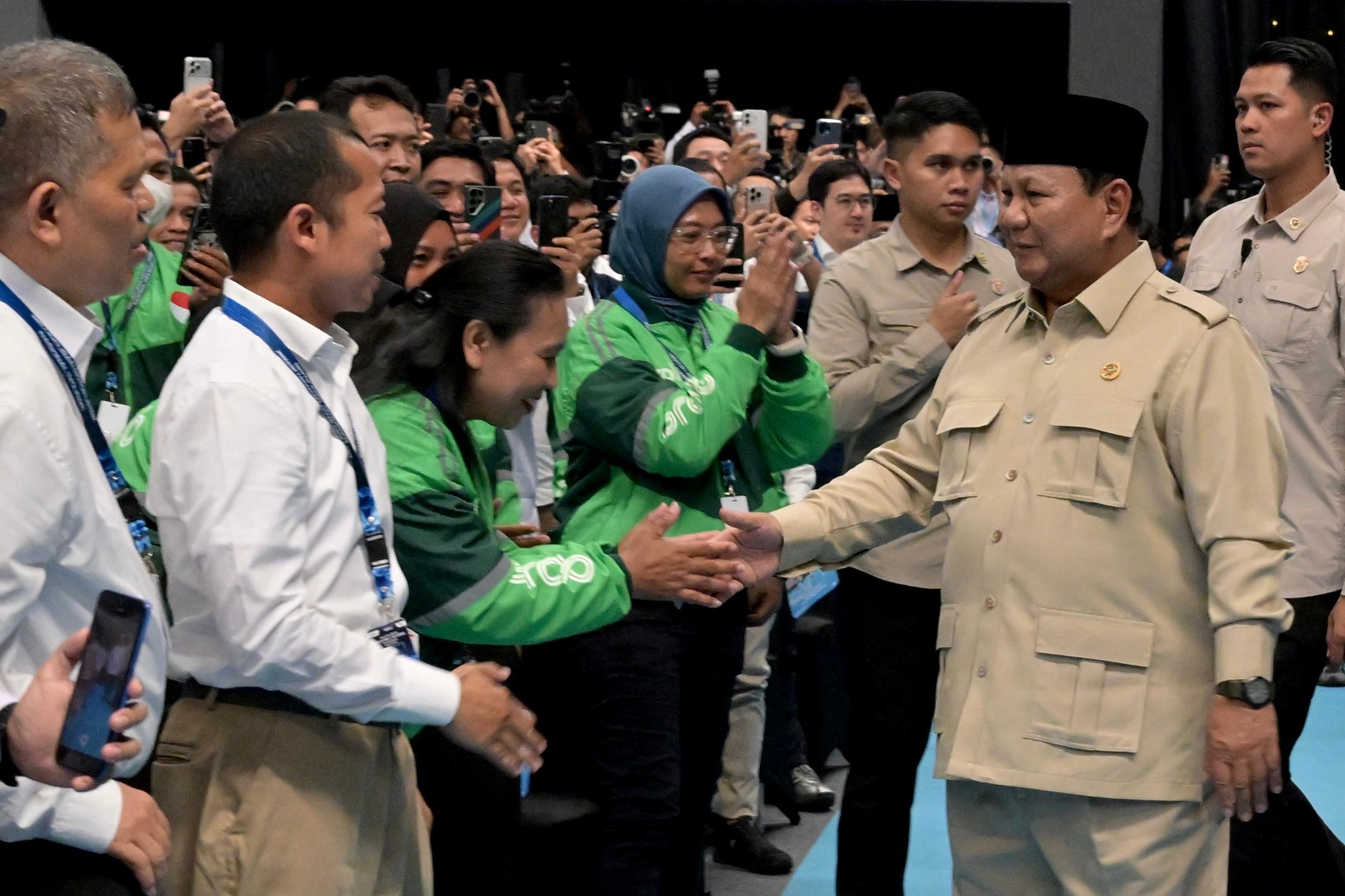
The launch of the National Electric Motorcycle (MoLiNas) and its supporting ecosystem by President Prabowo Subianto at the ALVA Production Facility in Cikarang, Bekasi regency, West Java province, on Thursday (8/13), has received a positive response from electric vehicle (EV) users. Online bike drivers and couriers who use EVs for their daily operations have reaped the benefits, particularly in terms of operational cost efficiency.
For Ratih Intan, an online bike driver for about two and a half years, using an electric vehicle provides a distinct experience compared to conventional gasoline-powered motorcycles. She noted that EVs are more efficient regarding time and cost, while offering clear environmental advantages.
“The difference is substantial—it’s much nicer. I prefer using this EV motorcycle primarily because it’s more efficient. Time efficiency, cost efficiency,” she stated.
According to Intan, electric motorcycles offer a more comfortable riding experience while contributing to a cleaner environment. Zero emissions and quieter vehicle noise make electric motorcycles better suited for various settings, including residential neighborhoods.
“It is environmentally friendly because it produces zero emissions. It’s also quiet with a smoother ride. Navigating through narrow residential alleys is much better and far more convenient,” Intan said.
Intan expressed her support for the Government’s initiative to launch MoLiNas. She believes that adopting electric motorcycles not only aligns with national programs but also directly benefits drivers by increasing their net earnings.
“I support the Government in launching the National Electric Motorcycle. I sincerely hope that production will be scaled up significantly, as it truly helps drivers improve their income,” she added.
A similar experience was also shared by Pos Indonesia, which has begun utilizing electric vehicles for courier operations since 2023. Fernanda Windy Rahmanto, Courier Operation Vice President at Pos Indonesia, stated that transitioning from fossil-fuel vehicles has generated substantial savings.
“In terms of advantages, it is undeniably more economical. When using fossil fuels, we used to spend around Rp750,000 per month per courier. With EVs, a courier only spends around Rp250,000 per month,” he said.
Following the MoLiNas rollout, Pos Indonesia enthusiastically welcomed the initiative, hoping the efficiency benefits of electric vehicles will extend across various sectors. Fernanda expressed hope that the EV ecosystem will soon expand more equitably across the country.
“Moving forward, we hope the electric motorcycle ecosystem in Indonesia will be rapidly implemented across all regions, not just in major cities, but also extended to tier-2 and tier-3 cities,” he concluded. (BPMI of Presidential Secretariat) (JAS/LW)